Question 705021
SCQMEDIUM
The evolution of the dynamical variables and is given by
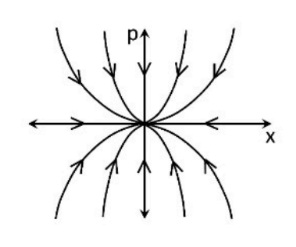
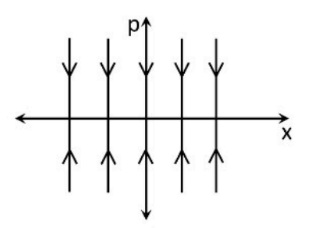
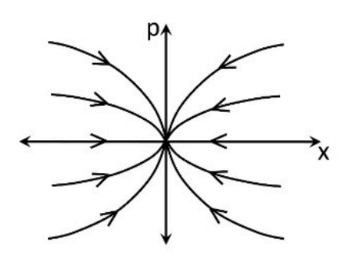
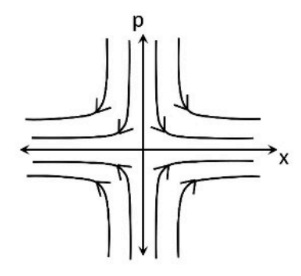
where is a constant. The trajectory in space for is best described by
(A)
(B)
(C)
(D)
Detailed Solution
We have and .
Dividing the two equations: .
Integrating both sides: .
This implies .
Since , let , then , which is a parabolic shape characteristic of option 1.
Free Exam
Boost Your Exam Preparation!
Move beyond just reading solutions. Access our comprehensive Test Series, original Mock Tests, and interactive learning modules. Many premium tests are completely free!
- Original Mocks & Regular Test Series
- Real NTA-like Interface with Analytics
- Many Free Tests Available